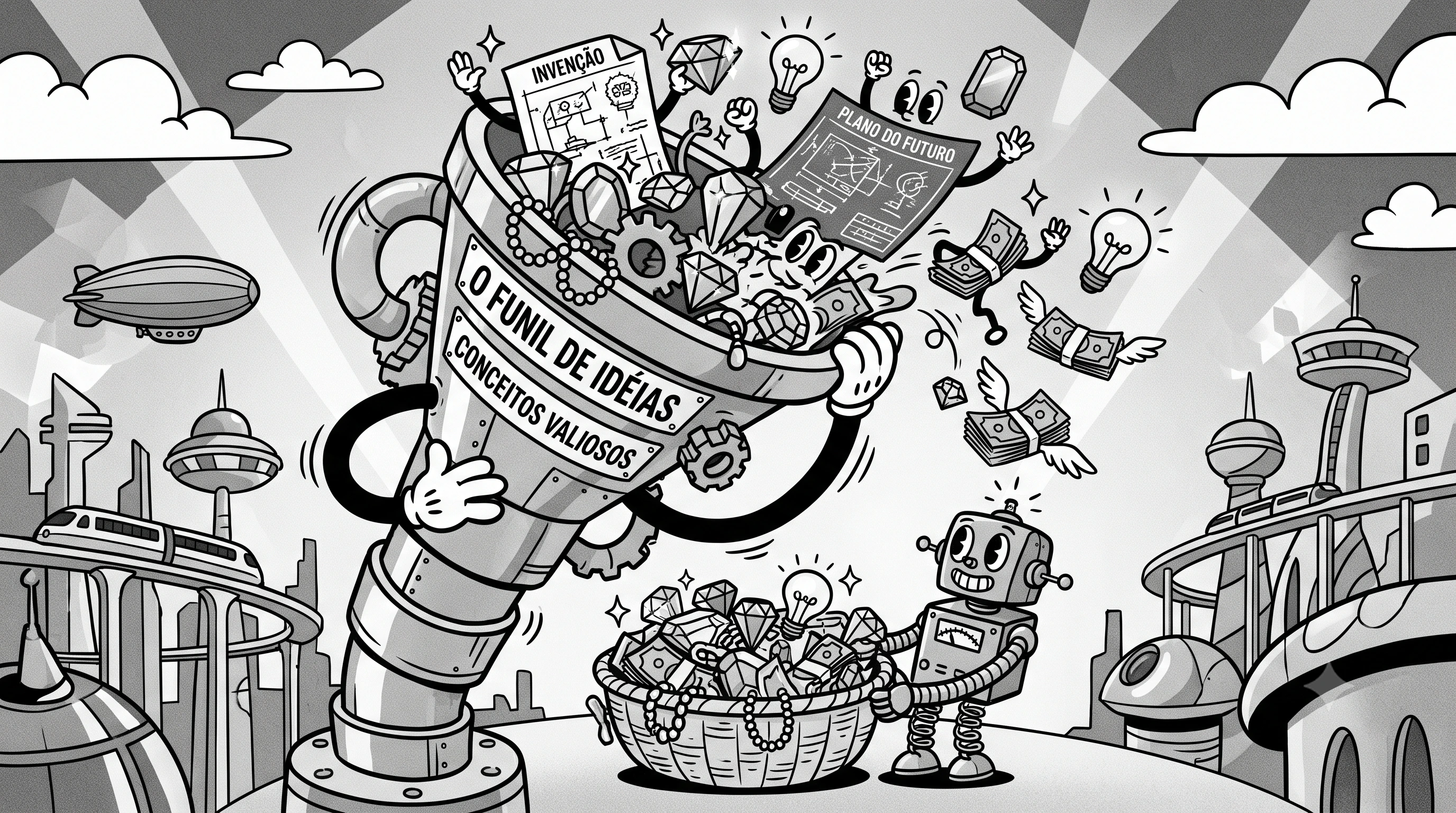
Market for Exhaustion: The Strategic Risk of Using AI Without Data Governance
The ‘Market for Exhaustion’ explains why companies withhold valuable knowledge and feed AI with generic data instead. Understand the paradox and how to reverse this logic.
The ‘Market for Exhaustion’ explains why companies withhold valuable knowledge and feed AI with generic data instead. Understand the paradox and how to reverse this logic.

The last article in the series on building Bloom in a week: how to give an agent long-term memory without a vector database, what actually changes when you switch to smaller local models, and how to validate changes in a probabilistic system with evidence, not gut feeling.

Third article in the series on building Bloom in a week: why most of the perceived rigidity in a multi-agent agent comes from the prompt layer, not the architecture, and how to hard-code behavioral safety invariants.

Second article in the series on building Bloom in a week: how to give an agent real freedom to act in the world — writing real events into Google Calendar via MCP — without giving up control over when and how it acts.

First article in a series on building Bloom-for-Learning in one week: why the most important decision in any agentic system is deliberately defining what belongs to deterministic code and what belongs to the model’s judgment.
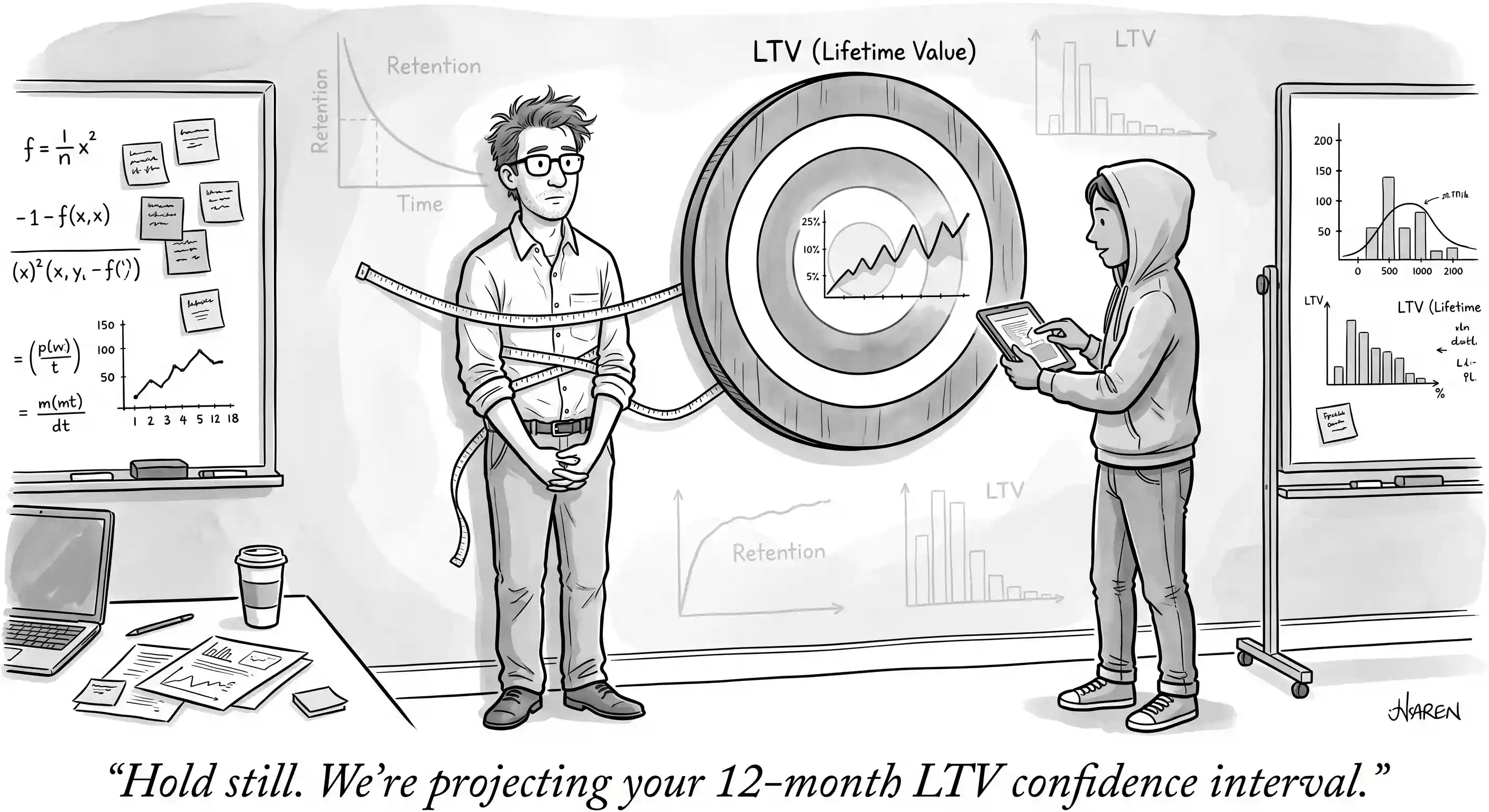
How B2B companies use predictive analytics to protect, expand, and optimize customer value from churn prevention to intelligent acquisition.

If your marketing team keeps presenting ROAS while leadership wants to talk revenue, the problem isn’t your tools. It’s structural — and it has a name: measurement maturity gap.
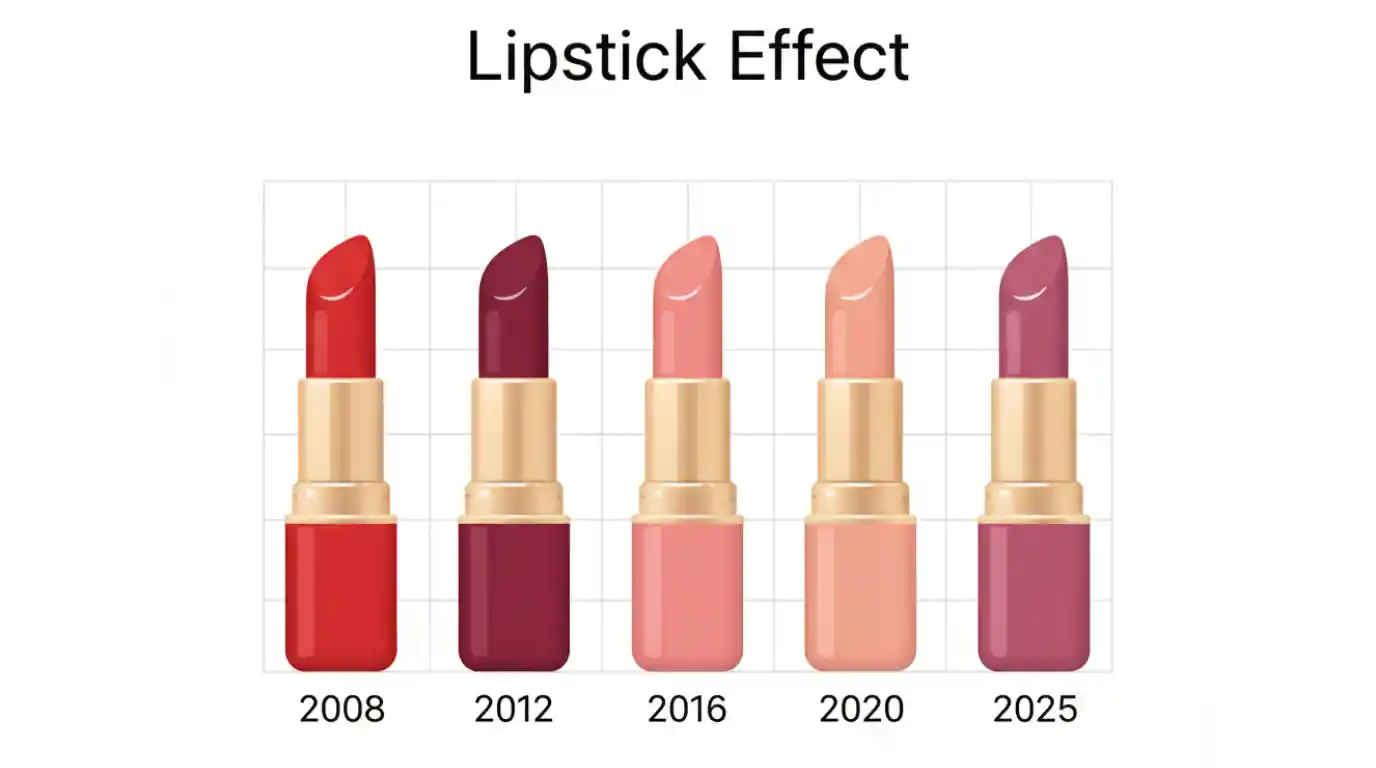
Is the lipstick effect real? I analyze 18 years of data, from the 2008 crisis to the pandemic, to uncover the truth about consumer behavior in times of crisis. A must-read marketing study.

Your default attribution model might be lying to you. Goldilocks explains why — and how to find the model that actually fits your business.